

- 82 Views
- 15 Min Read
- (0) Comment
Top 25 Best Places to Visit Tanzania (2025 – 2026)
Tanzania is an East African country known for its vast wilderness the best places to visit Tanzania areas. They include the plains of Serengeti National Park, a safari mecca populated by the “big five” game (elephant, lion, leopard, buffalo, rhino), and Kilimanjaro National Park, home to Africa’s highest mountain. Offshore lie the tropical islands of Zanzibar, with Arabic influences, and Mafia, with a marine park home to whale sharks and coral reefs. Discover what to see, where to go, and the best places to visit Tanzania — updated for 2025 – 2026!
Vestibulum quis odio ut dui malesuada ornare ut id tellus. Curabitur viverra at magna ac bibendum. Aliquam erat volutpat. Proin rhoncus est ac ipsum varius fermentum. Integer a odio ornare mauris pharetra suscipitot. Integer vulputate elit erat. Vestibulum quam velit, sagittis et ipsum id, faucibus volutpat nibh. Quisque cotten commodo massa eget fringilla facilisis. Integer non nisl elit. In ac tempor ante, eget iaculis augue. Nuncekon dolor mi, accumsan quis ante id, eleifend suscipit purus. Praesent augue eros, consectetur eu eleifend inno, eget condimentum auctor, libero ipsum viverra nisi, at vulputate ex mi suscipit nunc.
The business consulting process involves a series of steps that consultants follow when working with clients to address specific challenges, improve operations, or achieve organizational goals.
Leslie Alexander
Vestibulum quis odio ut dui malesuada ornare ut id tellus. Curabitur viverra at magna ac bibendum. Why Tanzania Should Be Your Next Adventure Destination
Tanzania isn’t just another pin on your travel map—it’s a transformative experience that awakens your senses and connects you with the raw beauty of our planet. Home to some of the world’s most iconic natural wonders, this East African gem offers adventures that cater to every type of traveler, whether you’re seeking heart-pounding wildlife encounters, cultural immersion, or peaceful beach relaxation.
Located on Africa’s eastern coast, Tanzania borders eight countries and the Indian Ocean, creating a diverse landscape that ranges from snow-capped mountains to coral reefs. With over 120 ethnic groups calling it home, including the world-famous Maasai people, Tanzania offers cultural richness that’s as diverse as its geography.
Best Places to Visit Tanzania
Serengeti National Park: The Ultimate Safari Destination
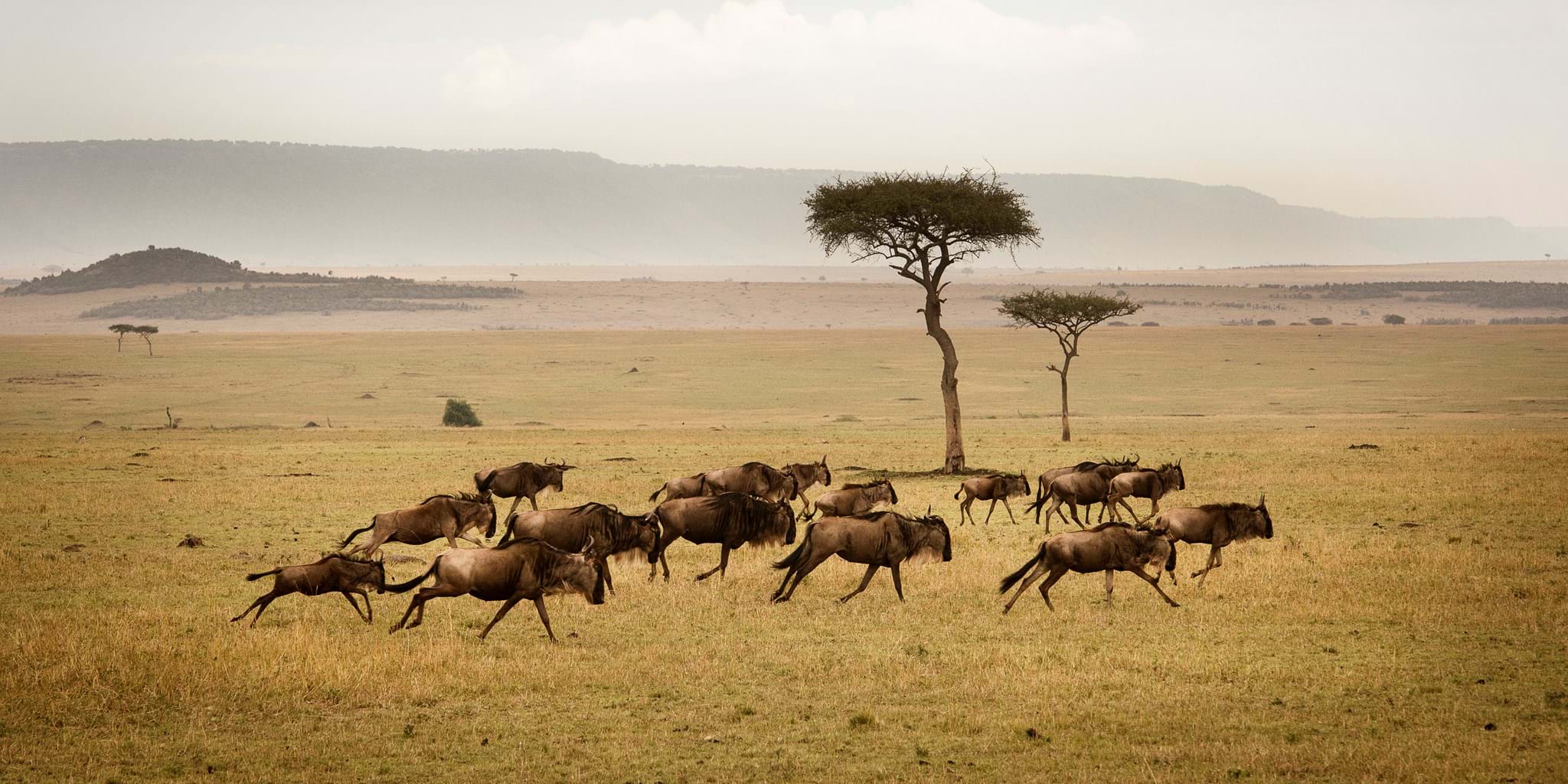
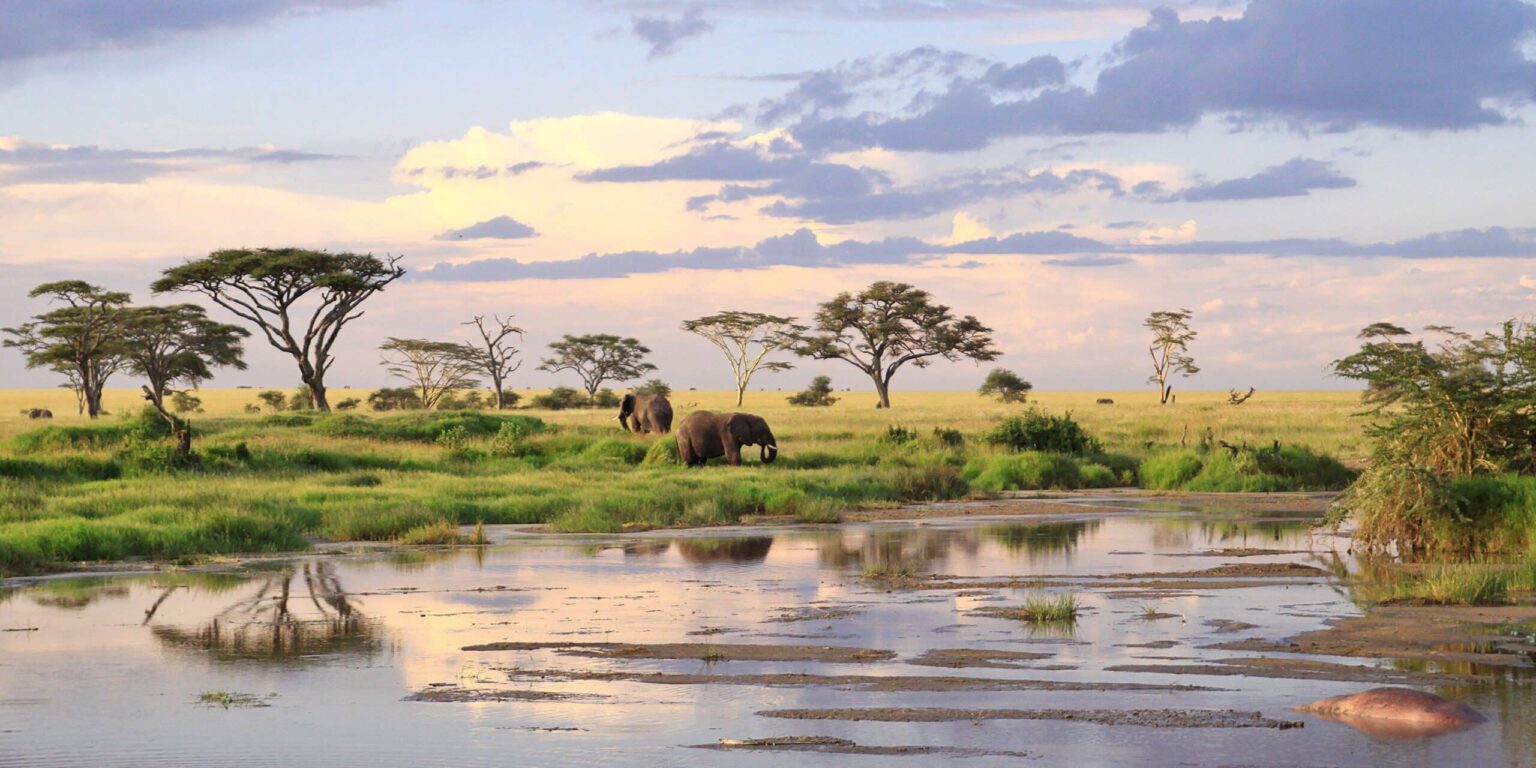
The Serengeti isn’t just a national park—it’s the beating heart of Africa’s wildlife kingdom. Spanning over 14,750 square kilometers, this UNESCO World Heritage Site hosts the most spectacular wildlife show on Earth: the Great Migration.
The Great Migration Experience Between July and October, over two million wildebeest, zebras, and gazelles embark on their annual journey across the Serengeti plains. This isn’t just a migration—it’s a life-and-death drama played out against the backdrop of golden grasslands. The sight of thousands of animals thundering across crocodile-infested rivers is something that photographs and videos simply cannot capture.

Hot Air Balloon Safari For the ultimate Serengeti experience, take to the skies in a hot air balloon at dawn. As you drift silently over the plains, you’ll witness the landscape come alive with elephants, lions, giraffes, and countless other species beginning their day. The experience culminates with a champagne breakfast in the bush—a moment of luxury in the heart of the wilderness.

Ngorongoro Crater: Africa’s Eden

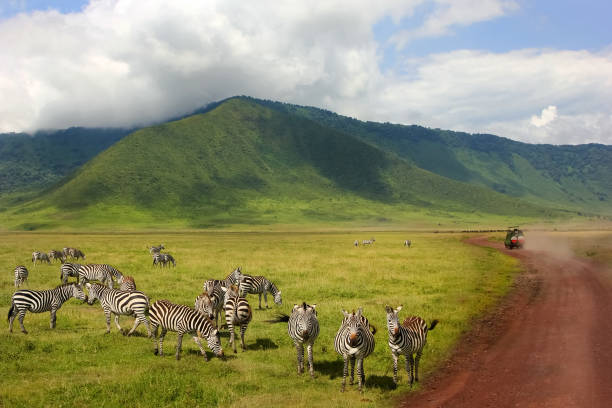
Often called the “Eighth Wonder of the World,” the Ngorongoro Crater is nature’s own amphitheater. This collapsed volcanic caldera creates a unique ecosystem where the Big Five—lions, leopards, elephants, buffalo, and rhinoceros—coexist in remarkable concentration.
The crater floor, spanning 260 square kilometers, supports over 25,000 large mammals. Here, you can witness the entire circle of life in a single day, from newborn zebras taking their first steps to lions stalking their prey against the dramatic backdrop of the crater walls.
Tarangire National Park: The Elephant Sanctuary

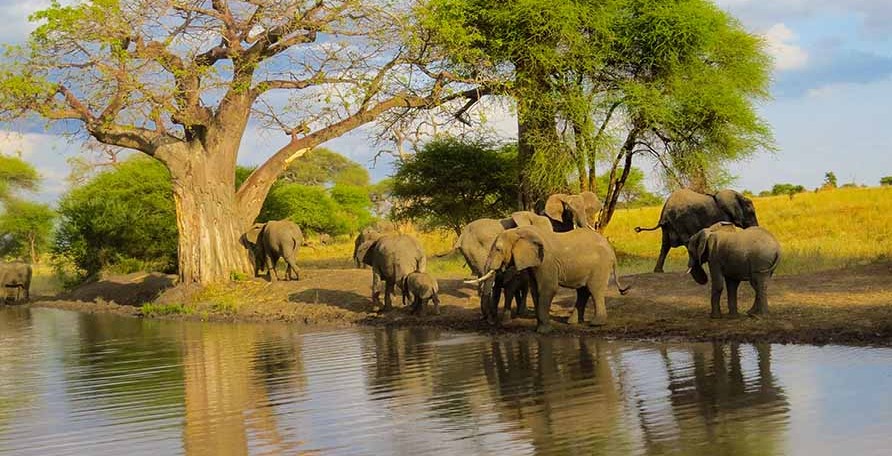
Tarangire National Park is famous for its massive elephant herds and iconic baobab trees that dot the landscape like ancient sentinels. During the dry season, the Tarangire River becomes a lifeline for wildlife, creating incredible opportunities for photography and wildlife viewing.
The park’s diverse ecosystem supports over 550 bird species, making it a paradise for birdwatchers. The contrast between the majestic elephants and the towering baobab trees creates some of the most photogenic scenes in Africa.
Lake Manyara: Where Lions Climb Trees

Lake Manyara National Park may be small, but it packs an incredible punch. This alkaline lake attracts thousands of flamingos, creating a pink carpet across the water’s surface. The park is also famous for its tree-climbing lions—a behavior that’s rare elsewhere in Africa.
The groundwater forest at the park’s entrance provides a lush contrast to the surrounding savanna, while the lake itself fluctuates seasonally, sometimes covering two-thirds of the park’s area.
Mountain Adventures and Trekking
Mount Kilimanjaro: Conquering Africa’s Roof

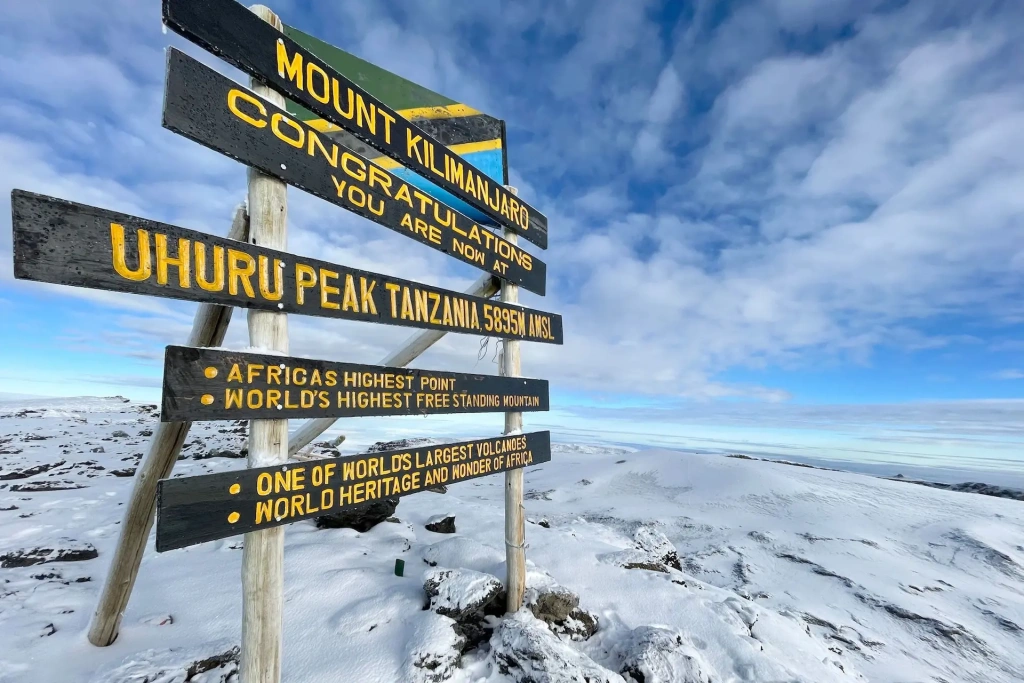
Standing at 5,895 meters, Mount Kilimanjaro is not just Africa’s highest peak—it’s a bucket-list adventure that attracts climbers from around the world. What makes Kilimanjaro special is that it’s a non-technical climb, meaning you don’t need mountaineering experience or equipment like ropes and ice axes.
Popular Kilimanjaro Routes:
Marangu Route (5-6 days) Known as the “Coca-Cola Route,” this is the most popular and considered the easiest path to the summit. The route features hut accommodation and well-maintained trails, making it ideal for first-time climbers.
Machame Route (6-7 days) Dubbed the “Whiskey Route,” this challenging path offers spectacular views and better acclimatization opportunities. The route takes you through diverse ecosystems, from tropical rainforest to alpine desert.
Lemosho Route (7-8 days) The most scenic route, offering excellent acclimatization and the highest success rates. This longer route allows your body to adapt gradually to the altitude while providing stunning views from multiple angles.
Mount Meru: The Hidden Gem

Often overshadowed by its famous neighbor, Mount Meru offers an equally rewarding experience. At 4,566 meters, it’s Tanzania’s second-highest peak and provides an excellent warm-up for Kilimanjaro or a standalone adventure for those seeking a quieter mountain experience.
The four-day trek takes you through diverse landscapes, including encounters with wildlife in Arusha National Park, where the mountain is located. The summit offers breathtaking views of Kilimanjaro and the surrounding landscape.
Tropical Paradise: Zanzibar and the Coast
Zanzibar Archipelago: Where Culture Meets Paradise
Just a short flight from Tanzania’s mainland, the Zanzibar Archipelago transports you to a world of spice-scented air, pristine beaches, and rich Swahili culture. This tropical paradise has been a cultural crossroads for centuries, blending African, Arab, Persian, and European influences.
Stone Town: A Living Museum Stone Town, Zanzibar’s historic heart, is a UNESCO World Heritage Site that feels like stepping back in time. Narrow alleys wind between ancient buildings, leading to bustling markets, hidden courtyards, and architectural marvels. The town’s history as a trading hub is evident in its mix of Swahili, Arabic, Indian, and European architectural styles.

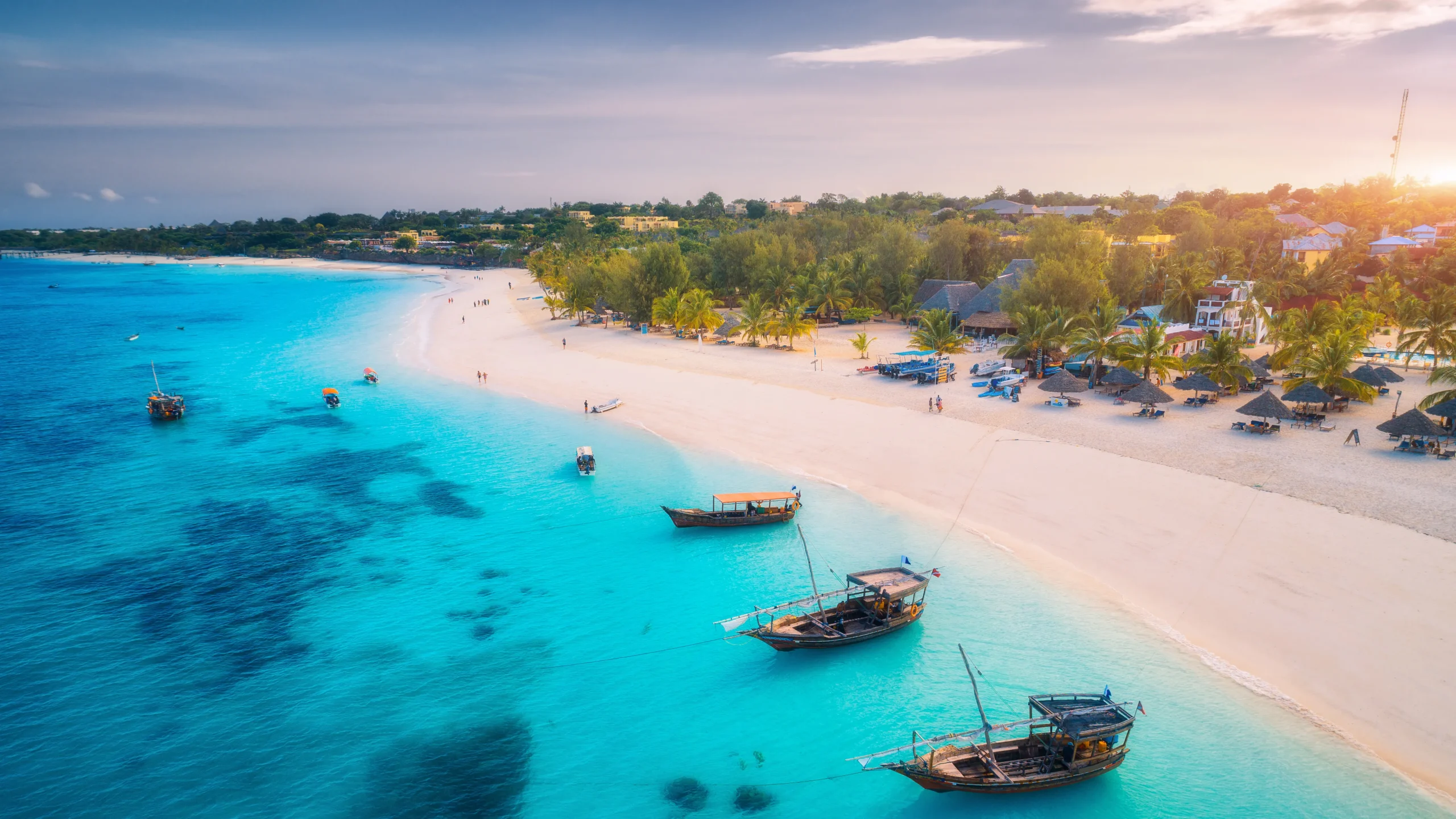
Pristine Beaches and Water Activities Zanzibar’s beaches are postcard-perfect, with powder-white sand and crystal-clear turquoise waters. The island offers world-class diving and snorkeling, with coral reefs teeming with tropical fish, sea turtles, and dolphins.

Nakupenda Beach and Prison Island Nakupenda, meaning “I love you” in Swahili, is a stunning sandbank that appears at low tide. It’s the perfect spot for a romantic picnic or simply soaking up the sun. Prison Island, a short boat ride away, houses giant Aldabra tortoises and offers insight into Zanzibar’s colonial history.

Mafia Island: The Diver’s Paradise

Less developed than Zanzibar, Mafia Island offers a more authentic and tranquil experience. The island is renowned for its diving opportunities, particularly the chance to swim with whale sharks from October to March. The marine park surrounding the island protects some of the most pristine coral reefs in the Indian Ocean.
Cultural Immersion Experiences
Maasai Cultural Encounters

The Maasai people are among Africa’s most recognizable ethnic groups, known for their distinctive red clothing, jumping dances, and semi-nomadic lifestyle. Visiting a Maasai village offers insight into traditional ways of life that have remained largely unchanged for centuries.
These cultural encounters provide opportunities to learn about Maasai customs, participate in traditional dances, and understand their deep connection to the land and livestock. Many villages welcome visitors with traditional ceremonies and share stories about their history and beliefs.
Hadzabe Tribe: Living Archaeology

The Hadzabe people around Lake Eyasi represent one of the last hunter-gatherer societies on Earth. Spending time with the Hadzabe offers a rare glimpse into how humans lived for thousands of years before agriculture.
Visitors can join hunting expeditions, learn traditional skills like fire-making and arrow crafting, and gain insight into their unique click language. This experience provides a profound perspective on human adaptability and the relationship between people and nature.
Chagga Coffee Culture

The Chagga people, who live on the slopes of Mount Kilimanjaro, have been cultivating coffee for generations. Coffee tours in the Chagga villages offer hands-on experiences in traditional coffee processing, from picking ripe beans to roasting and brewing.
These tours combine cultural learning with stunning mountain views, as you walk through banana plantations and coffee farms while learning about Chagga customs and the history of coffee cultivation in Tanzania.
Hidden Natural Wonders
Materuni Waterfalls: An Oasis Near Kilimanjaro

Hidden in the foothills of Mount Kilimanjaro, Materuni Waterfalls offers a refreshing escape from safari dust. The 80-meter waterfall cascades into a natural pool where you can swim in crystal-clear mountain water.
The hike to the falls takes you through lush coffee plantations and banana groves, with Kilimanjaro providing a magnificent backdrop. The experience often includes a traditional coffee-making demonstration by local Chagga families.
Chemka Hot Springs: Natural Thermal Paradise

Also known as Kikuletwa Hot Springs, this hidden gem near Moshi offers a unique swimming experience in naturally heated, crystal-clear waters. The springs maintain a constant temperature year-round, surrounded by fig trees and tropical vegetation.
The vivid blue waters are perfect for swimming and snorkeling, providing a peaceful retreat in the heart of the African bush. The springs are fed by underground rivers from Mount Kilimanjaro, creating a natural oasis.
Lake Natron: The Flamingo Factory

Lake Natron, near the Kenyan border, is one of Tanzania’s most unique natural phenomena. This alkaline lake turns various shades of red and pink due to its high mineral content and microorganisms.
The lake serves as the primary breeding ground for East Africa’s flamingos, with over two million birds creating spectacular displays during breeding season. The surrounding landscape is equally dramatic, with active volcanoes and ancient fossil sites.
Off-the-Beaten-Path Parks
Ruaha National Park: Tanzania’s Best-Kept Secret

As Tanzania’s largest national park, Ruaha offers a more exclusive safari experience with fewer crowds and untouched wilderness. The park is famous for its large elephant population and diverse predator species, including both East and Southern African wildlife species.
The Ruaha River provides a lifeline for wildlife, creating dramatic scenes during the dry season when animals gather to drink. The park’s remote location means you’ll often have wildlife sightings to yourself.
Nyerere National Park: Wilderness by Boat

Selous Game Reserve, now partly designated as Nyerere National Park, offers unique safari experiences including boat safaris along the Rufiji River. This less-visited southern circuit provides opportunities for walking safaris and fly camping under the stars.
The reserve’s diverse ecosystems support over 440 bird species and significant populations of elephants, wild dogs, and crocodiles. The boat safaris offer different perspectives on wildlife behavior and the chance to see animals coming to drink at the water’s edge.
Adventure Activities
Water-Based Adventures
Canoeing Lake Duluti: This crater lake near Arusha offers peaceful paddling through pristine waters surrounded by lush forest. The lake hosts over 130 bird species and provides stunning views of Mount Meru.

White Water Rafting: The rivers around Moshi offer exciting rafting opportunities suitable for different skill levels, from gentle family floats to challenging rapids for experienced rafters.
Land Adventures
Cycling Tours: Explore rural Tanzania by bicycle, pedaling through traditional villages, coffee plantations, and banana farms with Mount Kilimanjaro as your constant companion.

Walking Safaris: Nothing compares to experiencing African wildlife on foot. Accompanied by armed rangers, walking safaris offer intimate encounters with nature and the thrill of tracking animals using traditional methods.

Culinary Journey Through Tanzania
Traditional Tanzanian Cuisine
Tanzanian cuisine reflects the country’s cultural diversity, with influences from African, Arab, Indian, and European traditions. Staple foods include:
Ugali: A cornmeal porridge that’s the foundation of most Tanzanian meals, similar to polenta but firmer in texture.

Nyama Choma: Grilled meat (usually beef or goat) that’s a social centerpiece for gatherings and celebrations.

Pilau: A fragrant rice dish cooked with spices, often served during special occasions.

Chipsi Mayai: A popular street food combining French fries with eggs, creating a hearty and affordable meal.

Zanzibar’s Spice Heritage
Zanzibar’s spice tours offer sensory journeys through plantations growing cloves, nutmeg, cinnamon, vanilla, and cardamom. These tours provide insights into the island’s history as a major spice trading center and the role spices played in shaping Swahili culture.
Visitors can taste fresh spices directly from the source, learn about their medicinal properties, and understand how spice cultivation influenced Zanzibar’s development.
Planning Your Tanzania Adventure
Best Time to Visit
Dry Season (June-October): Ideal for wildlife viewing as animals gather around water sources. This is also the best time for climbing Kilimanjaro, with clear skies and stable weather conditions.
Green Season (November-May): Features lush landscapes, fewer tourists, and lower prices. This period includes the short rains (November-December) and long rains (March-May). The calving season (January-March) in the Serengeti offers incredible wildlife photography opportunities.
Migration Timing: The Great Migration follows a predictable pattern, with river crossings typically occurring between July and October in the northern Serengeti.

Transportation Options
Domestic Flights: The fastest way to cover long distances, with regular flights connecting major destinations like Arusha, Serengeti, and Zanzibar.
Road Transfers: More affordable but time-consuming, offering opportunities to see rural Tanzania and interact with local communities.
Safari Vehicles: Most safaris use specially modified 4WD vehicles with pop-up roofs for optimal game viewing and photography.
Accommodation Choices
Luxury Safari Lodges: World-class accommodations like Four Seasons Serengeti and Ngorongoro Crater Lodge offer five-star comfort in the wilderness.
Tented Camps: Provide authentic safari experiences with comfort, often featuring solar power and eco-friendly practices.
Budget Options: Hostels and guesthouses in towns like Moshi and Arusha offer affordable accommodations for budget-conscious travelers.
Beach Resorts: Zanzibar features everything from luxury resorts to budget-friendly guesthouses, all with access to pristine beaches.
Essential Travel Information
Visa and Entry Requirements
Most visitors can obtain a visa on arrival or apply online in advance. Requirements vary by nationality, so check current regulations before traveling. A yellow fever vaccination certificate may be required if arriving from endemic areas.
Health Considerations
Malaria Prevention: Tanzania is a malaria-endemic country, so prophylaxis is recommended. Consult your doctor about the best preventive medication for your itinerary.
Vaccinations: Routine vaccinations should be up to date. Consider hepatitis A and B, typhoid, and yellow fever vaccines based on your travel plans.
Travel Insurance: Comprehensive coverage is essential, particularly for activities like mountain climbing and safari adventures.
Cultural Etiquette
Dress Code: Modest clothing is important, especially in Zanzibar and when visiting local communities. Lightweight, long-sleeved clothing also provides protection from insects and sun.
Photography: Always ask permission before photographing people, and be respectful of cultural sensitivities.
Greetings: Learn basic Swahili phrases like “Jambo” (hello) and “Asante” (thank you) to show respect for local culture.
Sample Itineraries
7-Day Safari and Beach Combination
- Days 1-2: Serengeti National Park safari
- Day 3: Ngorongoro Crater day trip
- Days 4-7: Zanzibar beach relaxation and Stone Town exploration
14-Day Ultimate Adventure
- Days 1-7: Kilimanjaro climb via Machame route
- Days 8-10: Serengeti and Ngorongoro safari
- Days 11-14: Zanzibar beaches and Stone Town exploration
Conclusion: Your Tanzania Adventure Awaits
Tanzania offers more than just a vacation—it provides transformative experiences that connect you with the natural world and ancient cultures. Whether you’re watching the sunrise from Kilimanjaro’s summit, witnessing the Great Migration’s drama, or relaxing on Zanzibar’s pristine beaches, Tanzania creates memories that last a lifetime.
The country’s commitment to conservation ensures that future generations will continue to experience these wonders. By choosing Tanzania, you’re not just embarking on an adventure—you’re supporting local communities and conservation efforts that protect some of the world’s most important ecosystems.
From the moment you arrive until long after you leave, Tanzania will hold a special place in your heart. It’s a destination that awakens your senses, challenges your perceptions, and leaves you with a deeper appreciation for the natural world and the diverse cultures that call this remarkable country home.
Ready to Experience the Best of Tanzania?
Let Mama Wellness Tourism be your trusted guide to unforgettable adventures – from thrilling safaris and Mount Kilimanjaro climbs to beach getaways in Zanzibar.
Tailor-made itineraries | Expert local guides | Authentic experiences
Frequently Asked Questions
Is Tanzania safe for tourists? Tanzania is considered one of the safest destinations in East Africa. Standard travel precautions apply, and using reputable tour operators enhances safety and enjoyment.
What’s the best time to see the Great Migration? The river crossings typically occur between July and October, but the migration is a year-round phenomenon with different highlights in each season.
Do I need a guide for safari activities? Yes, most national parks require visitors to be accompanied by licensed guides. This ensures safety and provides valuable insights into wildlife behavior and conservation.
Can Tanzania be visited on a budget? Absolutely. Budget options include group tours, public transportation, and guesthouses. The key is balancing cost with the experiences you want to prioritize.
What languages are spoken in Tanzania? Swahili and English are official languages. Learning basic Swahili phrases enhances cultural interactions and shows respect for local customs.
How physically demanding is climbing Kilimanjaro? While technically non-technical, Kilimanjaro requires good fitness and mental preparation. The main challenges are altitude and duration rather than technical climbing skills.
Tanzania truly is a destination where every traveler can find their perfect adventure, creating stories and memories that will inspire wanderlust for years to come.


Leave a comment: