
To More Inquiry
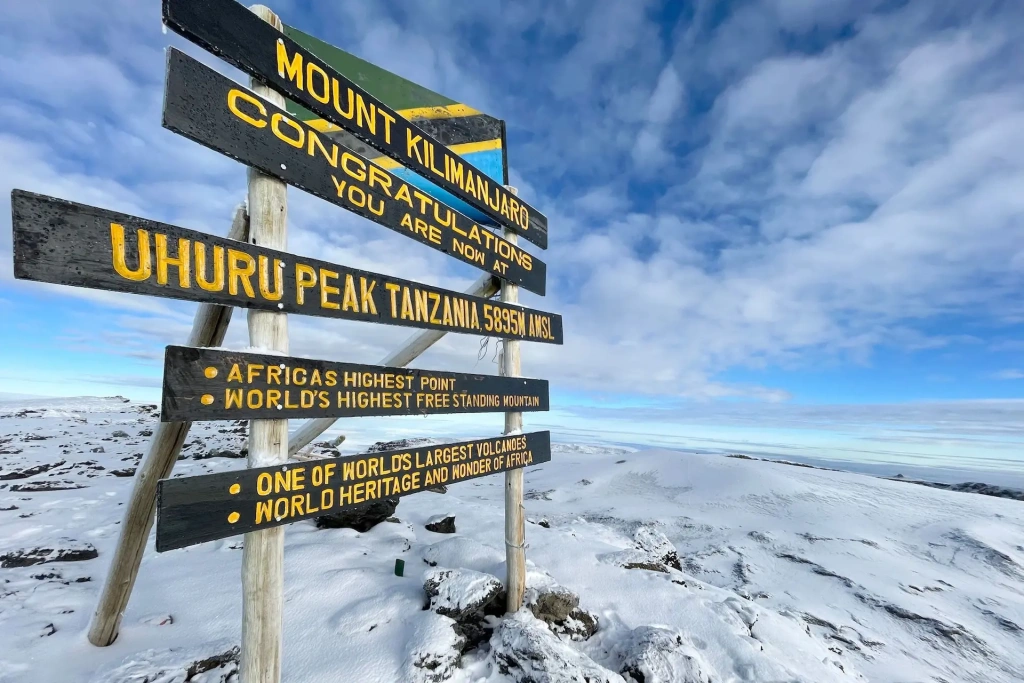
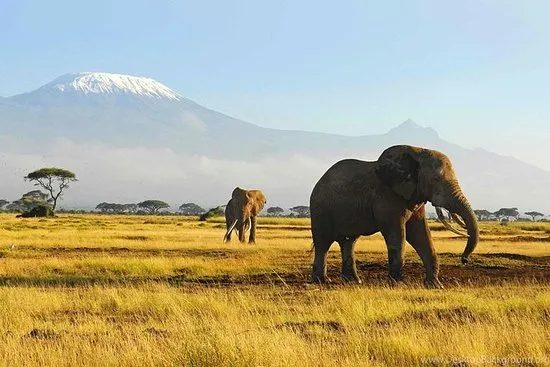
Mount Kilimanjaro—Africa’s majestic rooftop—has drawn adventurers, dreamers, and thrill-seekers for decades. Standing at 5,895 meters (19,341 feet), it’s the tallest free-standing mountain in the world and a bucket-list destination for many. But what makes Kilimanjaro so special, and why should you consider embarking on this life-changing journey?
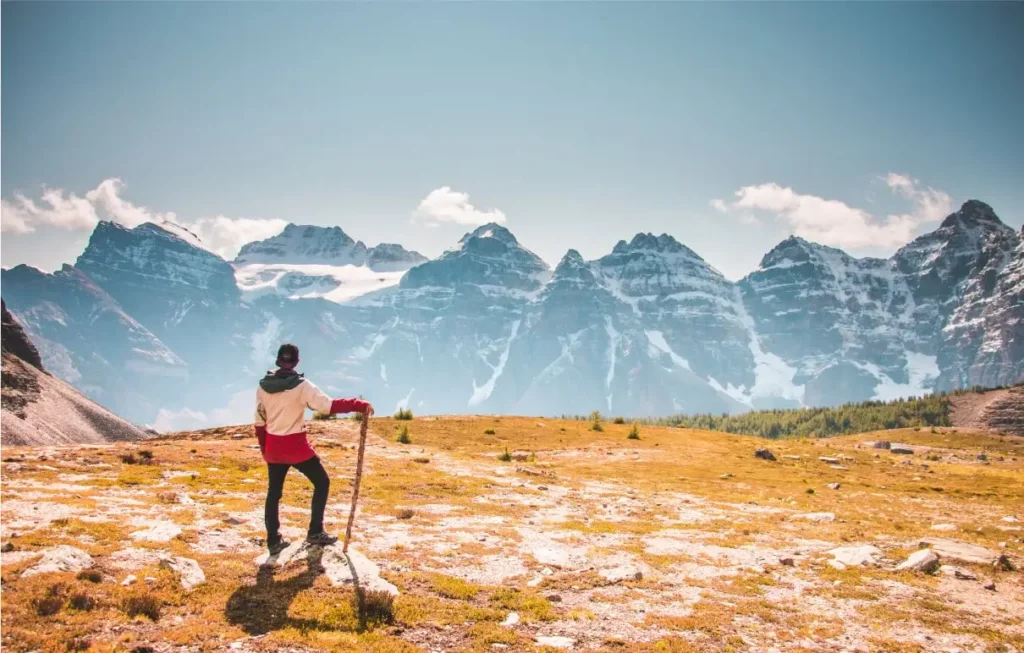
Kilimanjaro isn’t just a mountain—it’s a geological wonder. Unlike other peaks, it isn’t part of a mountain range. Rising from the plains of Tanzania, its sheer magnitude is both intimidating and awe-inspiring.
Kilimanjaro boasts five distinct climatic zones, from lush rainforests to arctic deserts, each offering unique challenges and breathtaking scenery.
The mountain offers seven official routes, including the Machame, Marangu, Lemosho, and Rongai paths, catering to climbers of varying skill levels.
January-March and June-October are prime climbing months, with stable weather conditions.
Training should include cardio, strength, and hiking practice to build endurance for the climb.
Prepare for temperatures ranging from tropical to freezing. Layering is key to staying comfortable.
Invest in high-quality, waterproof hiking boots and moisture-wicking socks to prevent blisters.
Pack a sleeping bag rated for extreme cold, trekking poles for stability, and a durable backpack.
Symptoms include headaches, nausea, and fatigue. Go slow, stay hydrated, and consider medication if necessary.
Expect 5-9 days on the mountain, with gradual ascents to aid acclimatization.
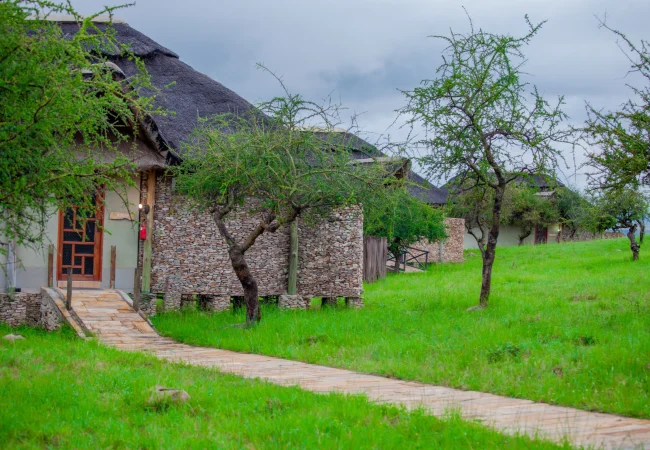
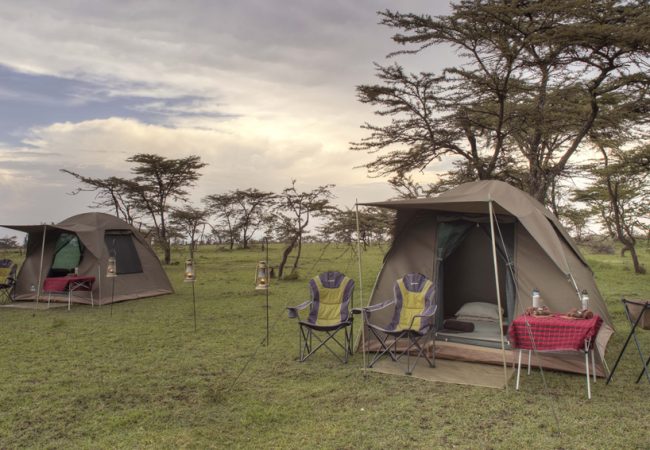
Most routes involve camping, while Marangu offers basic huts.
Your tour operator will provide meals, but carry snacks and a hydration system.
Dense and vibrant, this zone is alive with exotic plants and animals.
A surreal landscape of giant heathers and endless views.
Rocky, arid terrain that challenges even seasoned climbers.
Barren and icy, this zone leads to the summit.
Choose operators with good reviews and experienced guides.
Climb high, sleep low to adjust to the altitude.
Know the signs of severe altitude sickness and act promptly.
The final ascent starts at midnight. Slow and steady wins the race!
Reaching Uhuru Peak is an emotional, breathtaking experience.
Respect the mountain by leaving no litter behind.
Hire local guides and porters to boost the Tanzanian economy.
Immerse yourself in the traditions of Kilimanjaro’s indigenous people.
Expect to spend $1,500-$4,000 depending on your route and tour operator.
Group tours are budget-friendly, while private tours offer flexibility.
Don’t forget tips and extra costs like gear rental.
Climbing Mount Kilimanjaro is more than just a trek—it’s a journey of resilience, adventure, and self-discovery. It’s your chance to conquer one of the world’s greatest natural wonders. Are you ready to take the first step?
1. What is the success rate for climbing Kilimanjaro?
Success rates vary by route, with an average of 65%-85% for summit attempts.
2. How long does it take to climb Kilimanjaro?
Climbs take 5-9 days, depending on the route and acclimatization schedule.
3. Can beginners climb Mount Kilimanjaro?
Yes! With proper preparation and guidance, beginners can reach the summit.
4. What are the biggest challenges during the climb?
Altitude sickness, cold temperatures, and physical exhaustion are the main challenges.
5. How do I prepare for the altitude on Kilimanjaro?
Train physically, pace yourself, and consider acclimatization medications.
TAXES INCL/PERS

TAXES INCL/PERS
TAXES INCL/PERS
TAXES INCL/PERS
TAXES INCL/PERS

TAXES INCL/PERS

TAXES INCL/PERS

TAXES INCL/PERS

TAXES INCL/PERS
To receive our best monthly deals