

To More Inquiry
The Ngorongoro Conservation Area (NCA) is a breathtaking region located in northern Tanzania. Famous for its unique blend of spectacular landscapes, rich wildlife, and cultural significance, this UNESCO World Heritage Site is a must-visit for nature enthusiasts and adventure seekers.
Established in 1959, the Ngorongoro Conservation Area was initially part of the Serengeti National Park before being separated to prioritize wildlife conservation alongside human habitation. This area is deeply intertwined with the Maasai community, who have lived harmoniously with the wildlife for centuries, preserving their rich culture and traditions.


At the heart of the conservation area lies the Ngorongoro Crater, the world’s largest inactive and unfilled volcanic caldera. Spanning over 260 square kilometers, the crater is a natural haven for diverse ecosystems.
The NCA is a mosaic of landscapes, ranging from lush highlands to arid savannas. The highlands are cloaked in dense forests, while the lowlands are dotted with lakes such as Lake Magadi, teeming with flamingos. Rivers meander through the area, sustaining both flora and fauna.

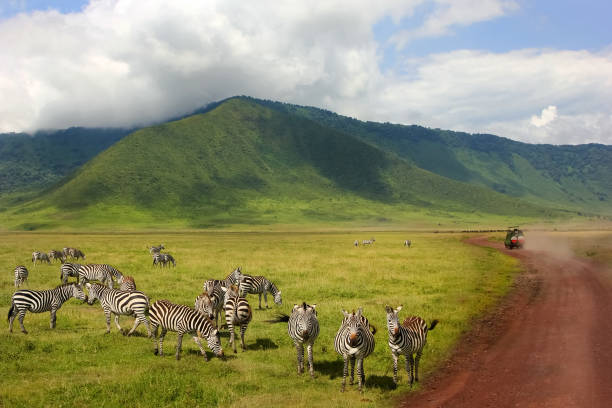
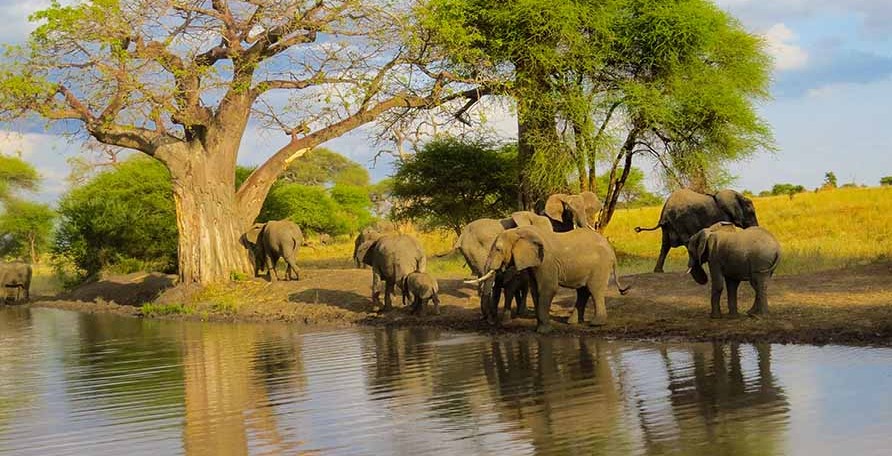
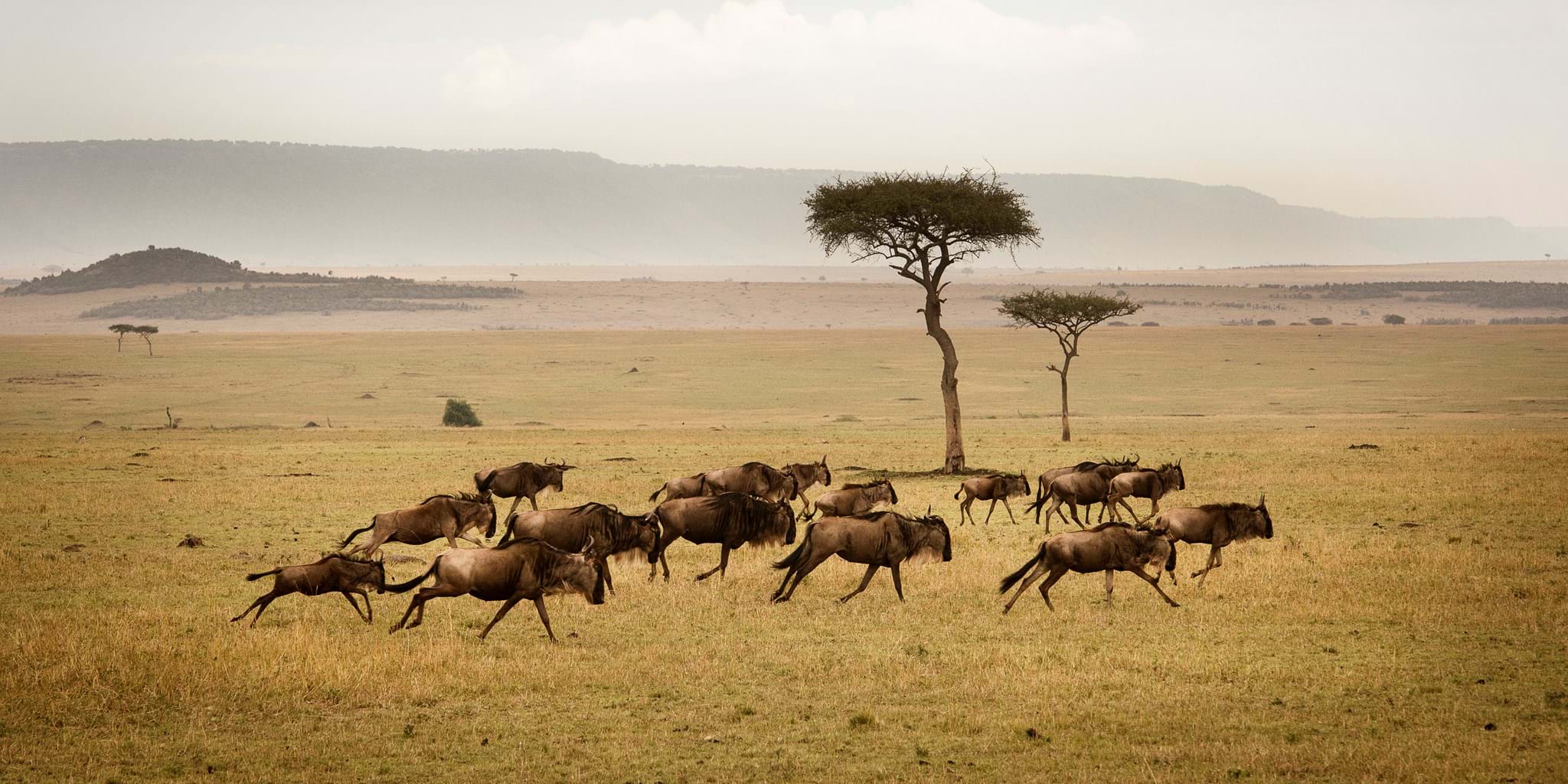
The Ngorongoro Conservation Area is a wildlife paradise, home to an incredible diversity of species.
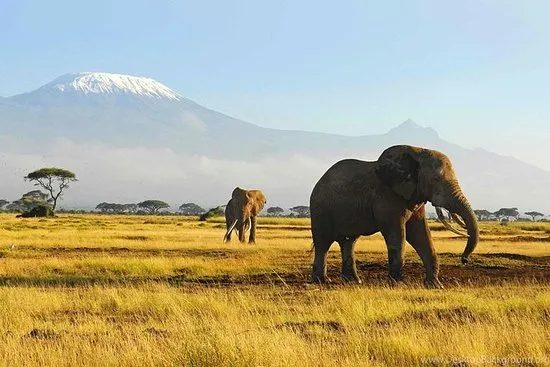
Visitors can spot the iconic Big Five—elephants, lions, leopards, buffaloes, and the critically endangered black rhino. The crater’s natural walls create a unique environment where these animals thrive.
Over 500 bird species call the NCA home, including ostriches, kori bustards, and crowned cranes.
Efforts to protect endangered species like the black rhino and African wild dog highlight the importance of conservation within the area.
Exploring the crater floor on a game drive is an unforgettable experience, offering close encounters with wildlife.
Guided walking safaris allow visitors to experience the wilderness on foot, providing a more intimate connection with nature.
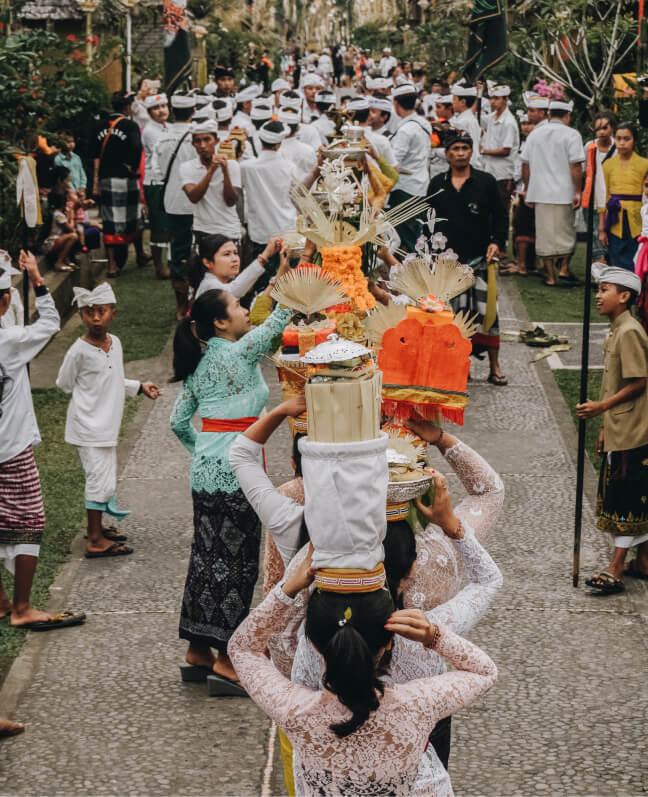
Learn about the Maasai way of life through visits to traditional villages and interactions with the community.
Don’t miss the chance to visit the Olduvai Gorge, often referred to as the “Cradle of Mankind,” for its significant archaeological findings.
The best time to visit Ngorongoro depends on your interests. The dry season (June to October) offers excellent wildlife viewing, while the wet season (November to May) showcases lush landscapes and migratory birds.
Conservation is at the heart of the NCA’s mission. Initiatives to balance tourism with environmental sustainability are critical. The Maasai community actively participates in preserving the region’s delicate ecosystem.
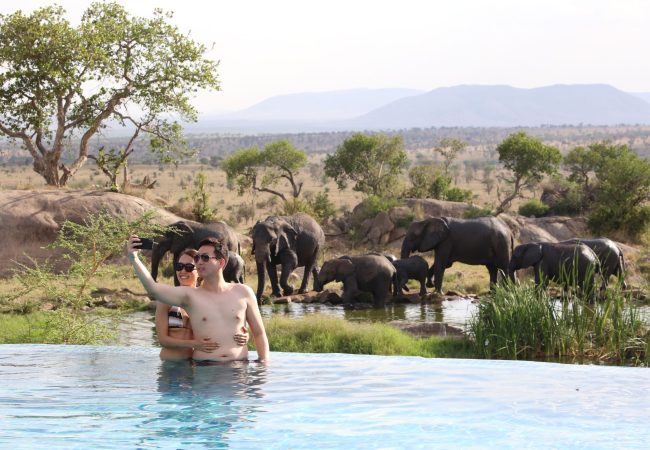
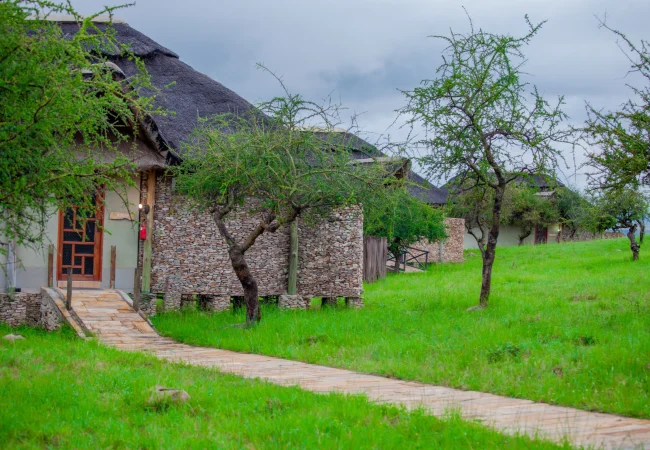
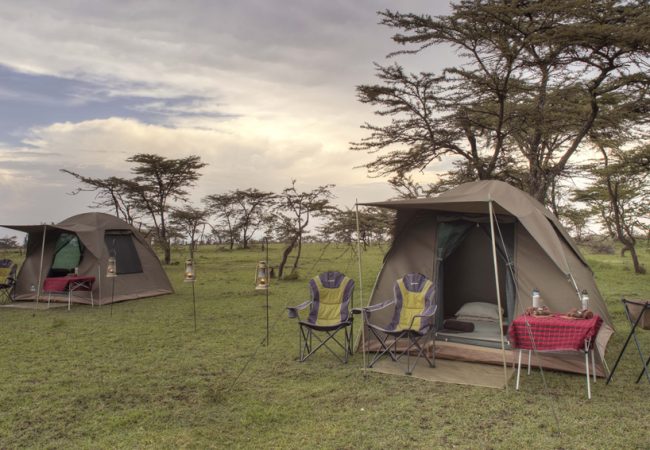
From luxurious lodges to basic campsites, Ngorongoro offers a range of accommodation options to suit all budgets and preferences.
Ngorongoro is easily accessible from Arusha, a major hub for safaris. Travelers can choose between road transfers or domestic flights to nearby airstrips.
Pack appropriately for the weather and bring a good camera for capturing the area’s beauty. Early morning game drives often yield the best wildlife sightings.
The Ngorongoro Conservation Area is a destination like no other, offering a perfect mix of wildlife, culture, and natural beauty. Whether you’re looking for thrilling adventures or a peaceful retreat, this Tanzanian gem promises an unforgettable experience.
1. What is the entrance fee for Ngorongoro Conservation Area?
Fees vary depending on nationality and activities, typically around $60 for international visitors.
2. Can I visit the Ngorongoro Crater year-round?
Yes, the area is accessible throughout the year, but wildlife visibility is better during the dry season.
3. Are cultural tours included in the safari packages?
Many safari operators include cultural tours; check with your provider for details.
4. How long should I plan to stay in Ngorongoro?
A 2-3 day visit allows ample time to explore the crater and nearby attractions.
5. Is Ngorongoro Conservation Area safe for tourists?
Yes, the area is well-managed and safe, with experienced guides ensuring a secure experience.
TAXES INCL/PERS

TAXES INCL/PERS
TAXES INCL/PERS
TAXES INCL/PERS
TAXES INCL/PERS

TAXES INCL/PERS

TAXES INCL/PERS

TAXES INCL/PERS

TAXES INCL/PERS
To receive our best monthly deals