
To More Inquiry
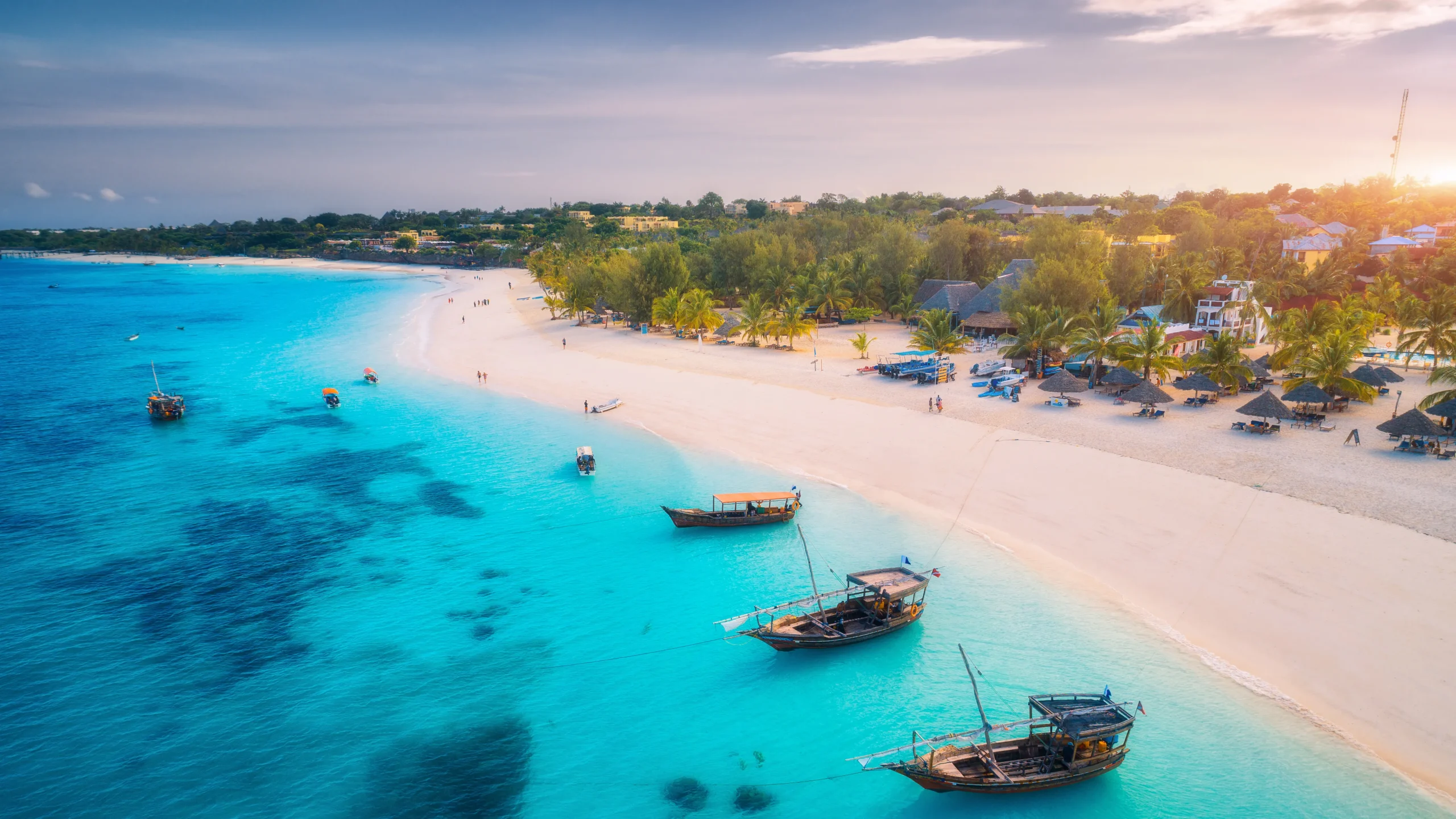
Ever dreamed of escaping to a paradise where turquoise waters kiss white sandy shores and time seems to slow down? Welcome to Zanzibar Island, a dreamy archipelago off the coast of Tanzania that’s got history, adventure, spice, and charm all wrapped into one breathtaking destination.
Zanzibar lies in the Indian Ocean, about 25–50 kilometers off the east coast of mainland Tanzania. It’s made up of several small islands and two main ones—Unguja (commonly referred to as Zanzibar Island) and Pemba.

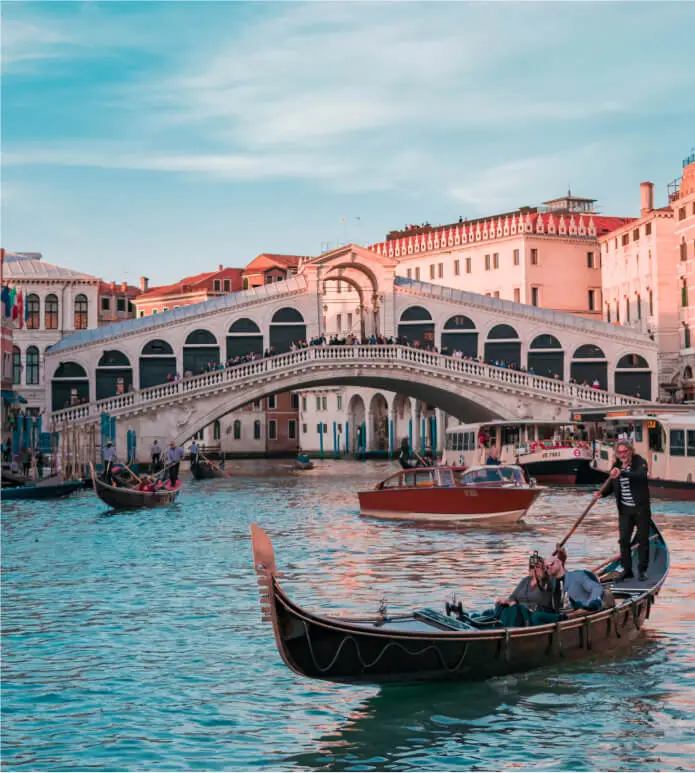
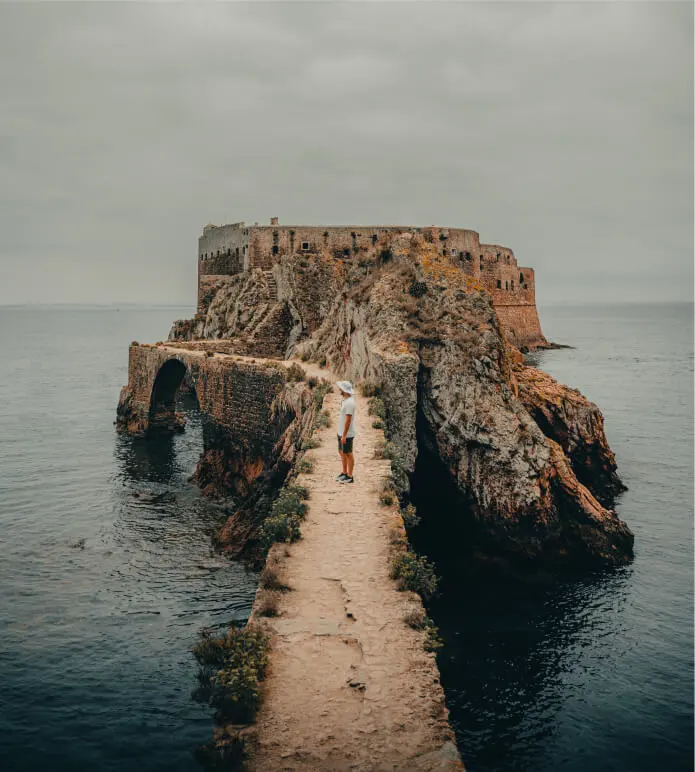
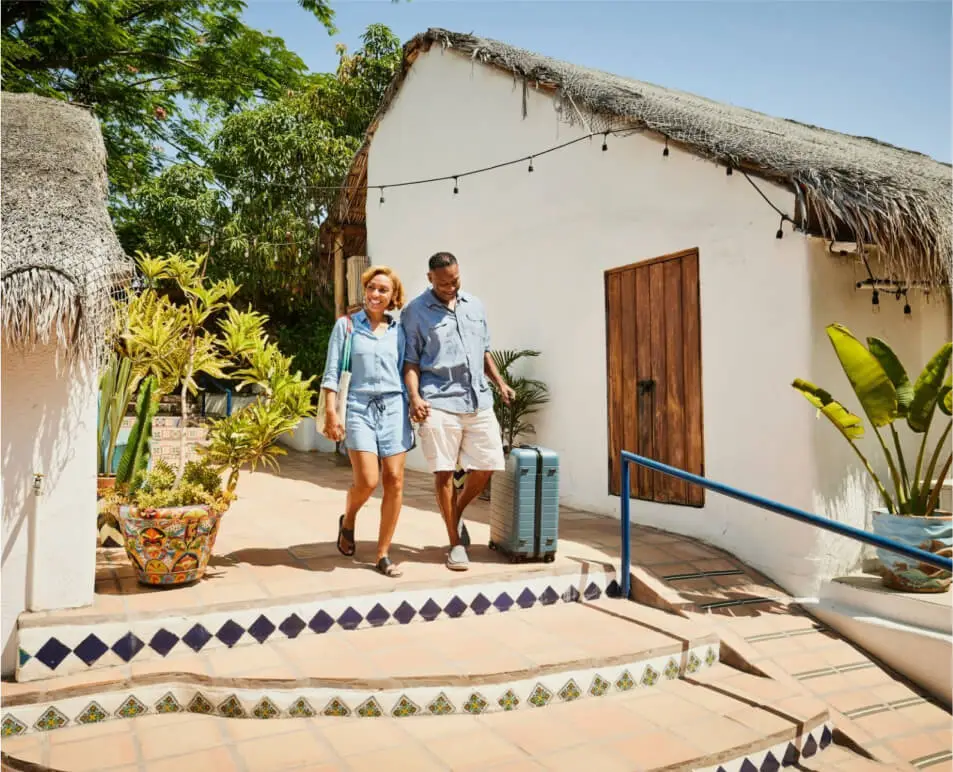

Zanzibar is best known for its exotic beaches, rich culture, spice farms, and Stone Town, a UNESCO World Heritage site. It’s where cultures from Africa, Arabia, India, and Europe collide, leaving behind a legacy that’s as colorful as its sunsets.
Zanzibar has been a center of trade for over 2,000 years, thanks to its strategic location. Ancient traders from Arabia, Persia, and India would stop here, exchanging goods like spices, ivory, and gold.
By the 10th century, Arab and Persian traders started settling on the island. They brought Islamic architecture, language, and customs, turning Zanzibar into a unique cultural melting pot.
Zanzibar later fell under Portuguese and then Omani rule. It was even the site of the shortest war in history—the Anglo-Zanzibar War of 1896, which lasted just 38 minutes! Eventually, it became part of Tanzania in 1964 after gaining independence.
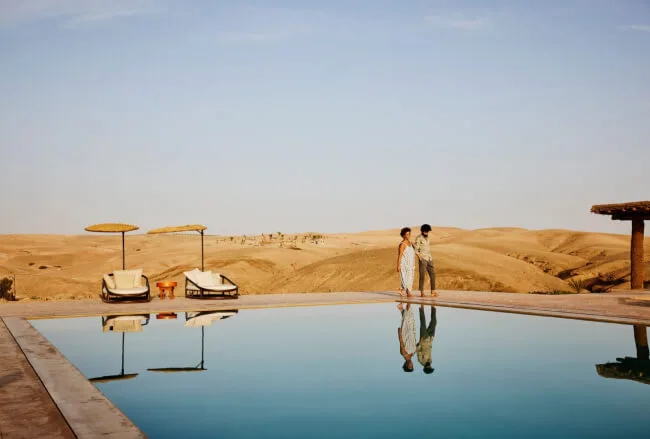
Zanzibar boasts a tropical climate, meaning warm weather and sunshine almost every day. The island has two rainy seasons—March to May and October to November.
For perfect beach weather and outdoor activities, the dry months of June to October are ideal. December through February is also a great time to visit if you enjoy the heat.
Lose yourself in Stone Town’s maze-like alleys, centuries-old buildings, and vibrant markets. Don’t miss the House of Wonders, Sultan’s Palace, and the Freddie Mercury Museum.
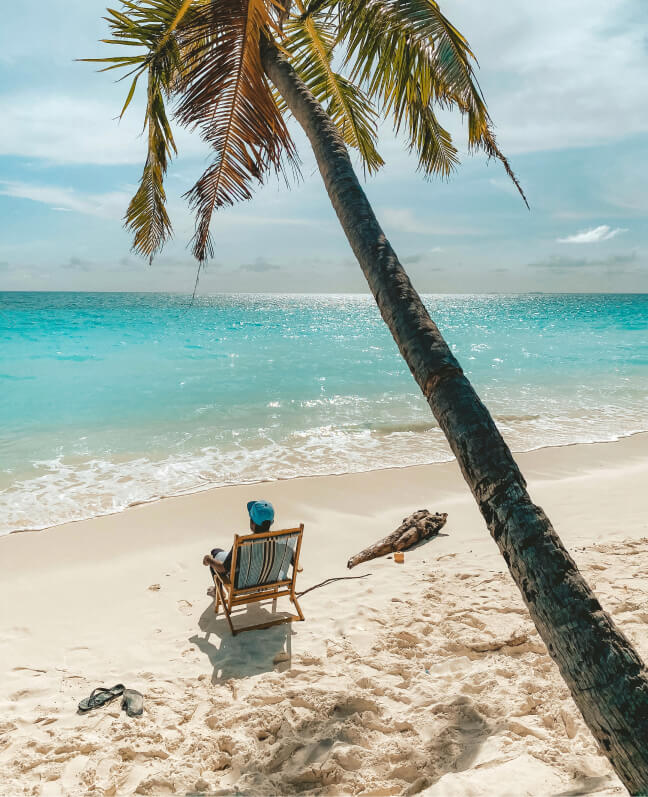
Crystal-clear waters, soft white sand, and some of the best sunsets on the island—that’s Nungwi Beach for you. It’s also a hotspot for nightlife and water sports.
Get up close with the endangered Zanzibar Red Colobus monkey in this lush forest reserve. Jozani is also home to mangroves, butterflies, and birds galore.
Just a short boat ride from Stone Town, this island is famous for its giant Aldabra tortoises, some over 100 years old. It also has remnants of an old prison from the 1800s.
Zanzibar is the heart of Swahili culture, blending African, Arab, and Asian influences. You’ll hear Swahili spoken everywhere and see its impact on local customs, food, and art.
From traditional Taarab music to the energetic Ngoma drumming, music is a huge part of Zanzibar’s identity. Locals often celebrate with dance during weddings and festivals.
Zanzibar hosts exciting festivals like the Zanzibar International Film Festival (ZIFF) and Sauti za Busara, a music festival that draws performers from across Africa.
Known as the Spice Island, Zanzibar produces cloves, nutmeg, cinnamon, and more. Spice tours are a must to see, smell, and taste the island’s aromatic bounty.
Don’t leave without trying Zanzibar pizza, octopus curry, and urojo soup—a tangy street food dish. Wash it down with some fresh sugarcane juice.
Top picks include The Rock Restaurant, perched on a rock in the ocean, and Forodhani Gardens night market for street food with a view.
Zanzibar has world-class diving spots like Mnemba Atoll, teeming with colorful coral and marine life. Snorkeling here is like swimming in a giant aquarium.
Wander through spice plantations where guides explain the origins and uses of various spices. You’ll get to touch, smell, and taste them all.
There’s nothing quite like a sunset cruise on a traditional dhow boat, with the breeze in your hair and the ocean sparkling around you.
Bustling and lively, Darajani Market in Stone Town is where you’ll find fresh produce, spices, seafood, and plenty of local hustle.
From hand-carved wooden doors to colorful kitenge fabrics and spice-infused soaps, Zanzibar offers unique gifts you won’t find anywhere else.
If you’re looking to splurge, check out Zuri Zanzibar, Baraza Resort, or Essque Zalu for beachfront villas and pampered stays.
Traveling on a budget? Try charming spots like Lost & Found or Jambo Guesthouse, where comfort meets affordability.
Eco-conscious travelers will love Chumbe Island Coral Park—a protected marine reserve with solar-powered eco bungalows.
You can fly into Abeid Amani Karume International Airport, or take a ferry from Dar es Salaam. Either way, it’s an adventure.
Getting around is easy with dala-dalas (shared minibuses), taxis, or bicycle rentals for a slower, more scenic way to explore.
Make sure your vaccinations are up to date, especially for yellow fever. Malaria pills are also recommended.
Light clothing, reef-safe sunscreen, bug repellent, and a good pair of sandals will serve you well.
Bring some cash (Tanzanian Shillings) as not everywhere takes cards. Wi-Fi is available in most hotels and cafés.
Choose locally-owned accommodations, eat at local restaurants, and shop at markets to give back to the community.
Avoid single-use plastics, respect wildlife, and support eco-tours that protect Zanzibar’s fragile ecosystems.
Zanzibar isn’t just a destination—it’s a whole vibe. It’s where history meets paradise, where spices scent the air, and where every sunset feels like a postcard. Whether you’re here to relax on the beach, dive with dolphins, or wander through ancient alleys, Zanzibar will steal your heart and keep you dreaming long after you leave.
Yes, Zanzibar is generally safe. Just take normal precautions as you would in any travel destination.
Most visitors need a visa to enter Tanzania, which includes Zanzibar. Check with your local embassy or apply online.
It’s safer to drink bottled or filtered water. Avoid ice in drinks unless you know it’s from purified water.
Swahili is the main language, but English is widely spoken, especially in tourist areas.
5–7 days is perfect to explore the beaches, Stone Town, spice farms, and get some relaxation time.
TAXES INCL/PERS

TAXES INCL/PERS

TAXES INCL/PERS
TAXES INCL/PERS
TAXES INCL/PERS

TAXES INCL/PERS

TAXES INCL/PERS

TAXES INCL/PERS

TAXES INCL/PERS
To receive our best monthly deals