
To More Inquiry
Ever heard of a lake where lions climb trees, flamingos turn the water pink, and ancient forests whisper secrets of the past? That’s Lake Manyara. Nestled at the foot of the Great Rift Valley escarpment in Tanzania, Lake Manyara isn’t just a place—it’s an experience.
Lake Manyara is located in northern Tanzania, between the cities of Arusha and Karatu, on the way to more famous safari spots like the Serengeti and Ngorongoro Crater. It’s a perfect stop for those looking for something a bit more off the beaten path.
Declared a national park in 1960, Lake Manyara gained fame thanks to Ernest Hemingway, who once described it as “the loveliest [lake] in Africa.” The area has long been inhabited by the Maasai people, who still live in surrounding villages and contribute to the region’s rich cultural tapestry.
Lake Manyara lies within the East African Rift Valley, giving it a dramatic geological backdrop. The steep escarpment on one side and open plains on the other create a breathtaking visual contrast.
The lake spans about 230 square kilometers in the wet season but shrinks significantly during the dry season. It’s a shallow, alkaline lake, surrounded by forests, grasslands, marshes, and hot springs.
During the wet season, the lake overflows with life—birds, insects, blooming plants, and wild animals. In the dry season, the waters recede, revealing cracked mud flats and salt deposits, transforming the scenery into something otherworldly.
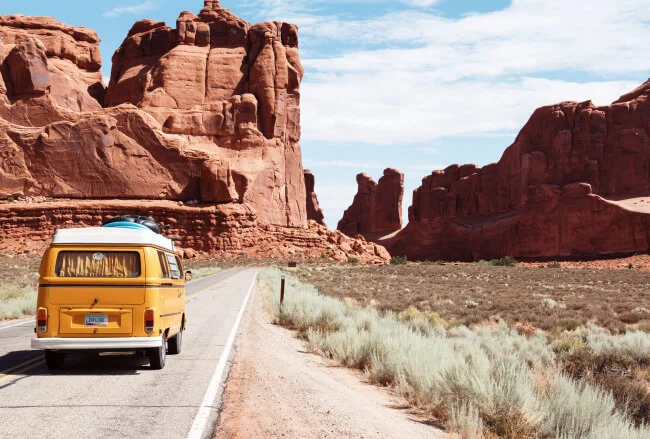
This park may be smaller than others in Tanzania, but don’t let its size fool you—it’s bursting with life.
Lake Manyara is one of the rare places where lions climb trees for fun (and maybe a little shade). Scientists still debate the reasons, but one thing’s for sure—it’s a sight you’ll never forget.
Over 400 bird species call this area home. Picture thousands of flamingos turning the lake cotton candy pink. Add to that pelicans, storks, kingfishers, and hornbills—birdwatching doesn’t get better than this.
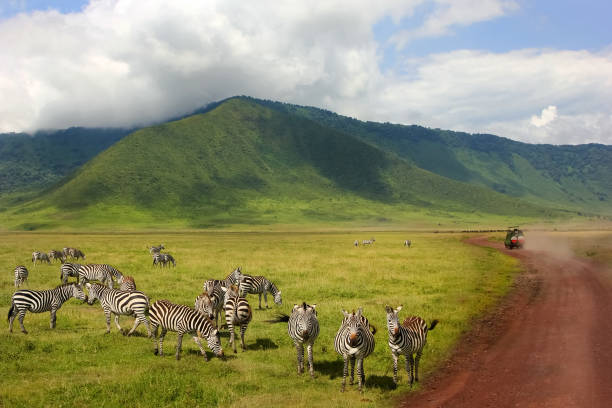
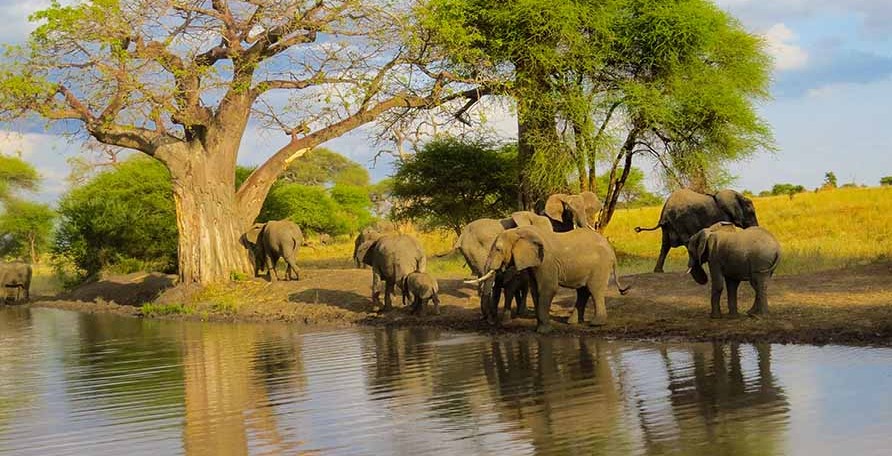
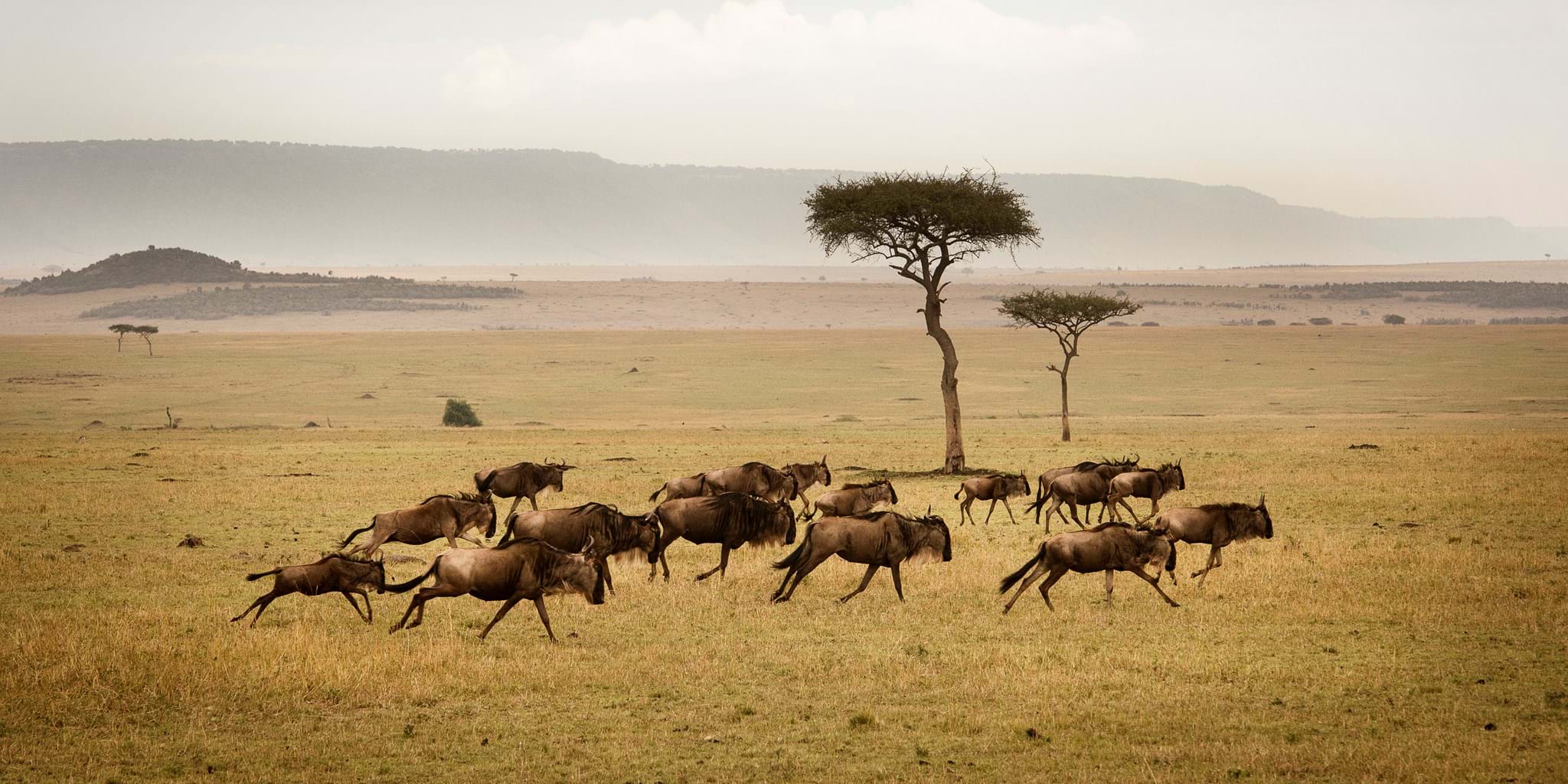
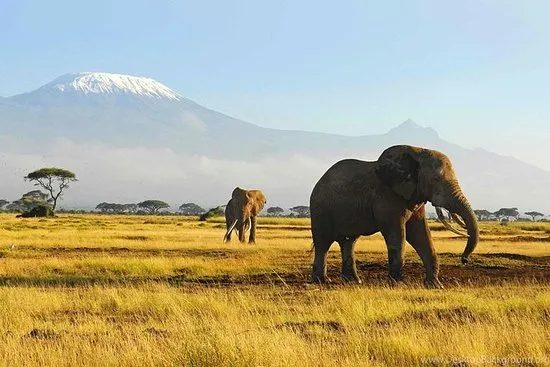
The park is home to large elephant herds, pods of hippos wallowing in the shallows, mischievous baboons, and even elusive leopards. Everywhere you look, there’s movement, drama, and beauty.
The park was created to protect the lake and its surrounding ecosystems from deforestation and poaching. Today, it stands as a model of conservation and community engagement.
Besides the wildlife, Lake Manyara is known for its diverse habitats packed into a relatively small area.
Just inside the entrance is a lush forest fed by underground springs. It’s a green, shaded oasis filled with blue monkeys and bushbucks.
The lake’s alkaline waters attract algae, which in turn attracts thousands of flamingos. It’s a dazzling, pink-feathered spectacle that covers the lake like a living carpet.
The Maasai, known for their colorful clothing and traditions, have coexisted with wildlife here for centuries. You can visit local villages and learn about their nomadic lifestyle, crafts, and oral traditions.
Some locals believe the lake has spiritual properties. Stories are passed down about magical creatures and spirits that protect the waters and the animals within.
Hop into a 4×4 and explore the park’s winding roads. Morning and late afternoon are the best times to see animals in action.
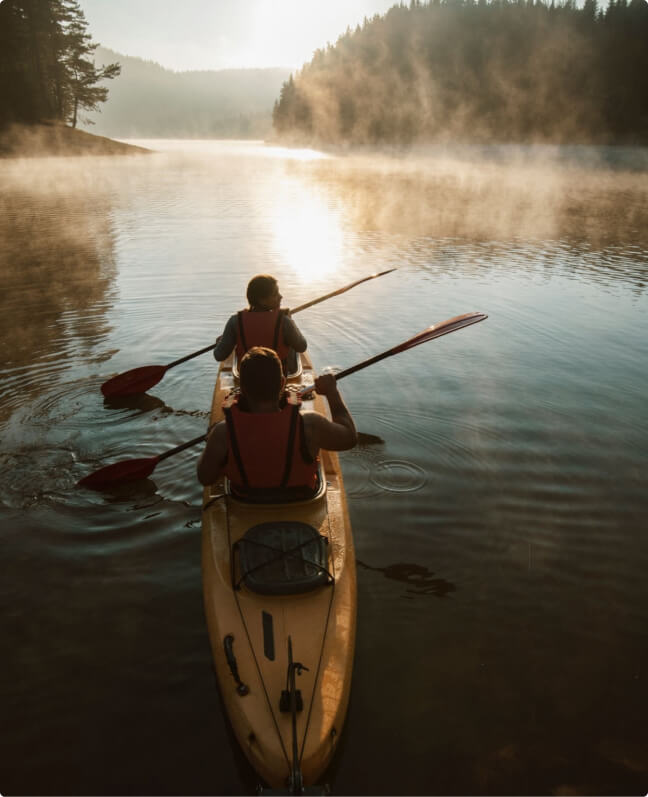
During the wet season, guided canoe trips let you glide quietly across the lake, getting up close to hippos and birds.
Feeling bold? Take a walking safari with a ranger. For something more relaxed, the treetop canopy walk offers a bird’s eye view of the forest below.
From sunrise over the Rift Valley to close-ups of animals in action, Lake Manyara is a dream come true for photographers.
Want to see flamingos? Visit between November and April. For elephants and predators, stick to the dry months.
You can drive from Arusha (about 2–3 hours), or book a flight to the nearby Lake Manyara Airstrip.
Kilimanjaro International Airport is the main entry point. Arusha is the closest major city for accommodations and tour bookings.
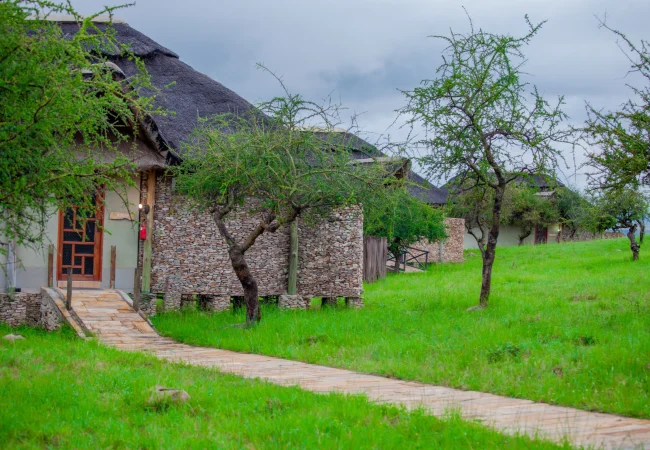
Places like &Beyond Lake Manyara Tree Lodge offer a five-star safari experience with top-tier amenities.
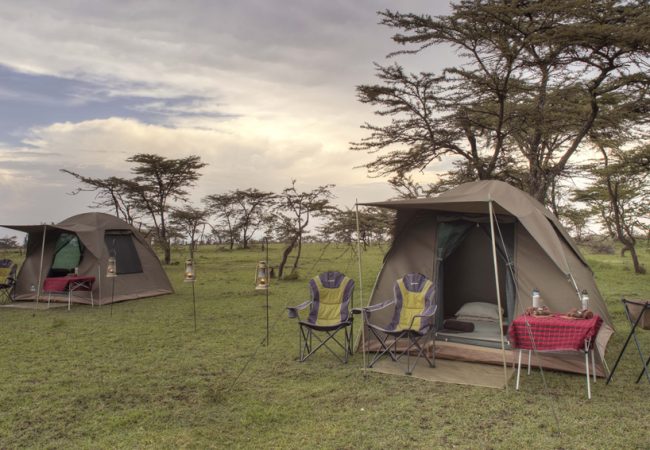
There are plenty of affordable lodges and tented camps near the park, perfect for backpackers or families.
Many camps practice sustainable tourism—solar power, composting toilets, and community involvement.
Malaria is present, so bring preventive meds. Always follow your guide’s advice—this is wild terrain, after all.
Serengeti is vast. Ngorongoro is dramatic. But Manyara? It’s intimate, lush, and different in all the right
TAXES INCL/PERS

TAXES INCL/PERS
TAXES INCL/PERS
TAXES INCL/PERS
TAXES INCL/PERS

TAXES INCL/PERS

TAXES INCL/PERS

TAXES INCL/PERS

TAXES INCL/PERS
To receive our best monthly deals